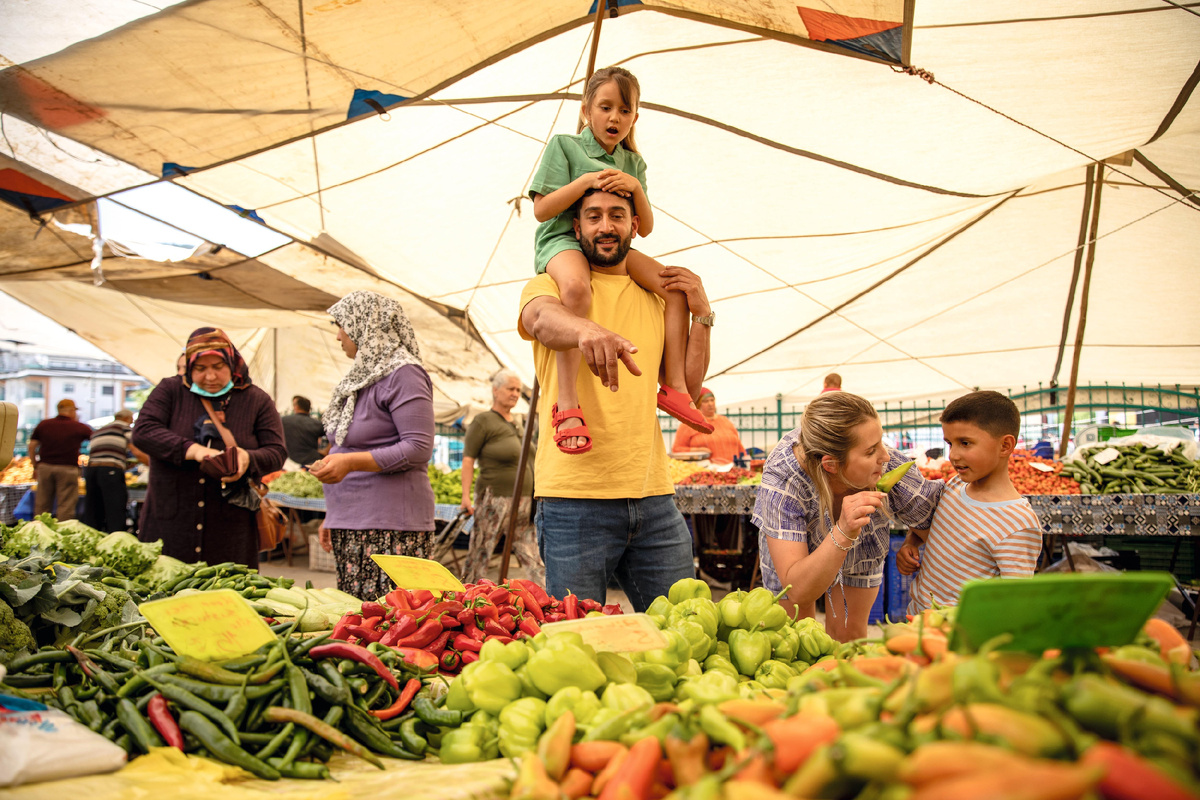
Many foreigners are surprised to discover that Turks often prefer to live in the present. They buy property, purchase cars, help their children, celebrate family occasions, and enjoy life—but they are far less likely to talk about building large retirement savings.
There are several reasons for this.
Inflation Has Shaped Financial Thinking
For many years, high inflation has taught people one important lesson: money should be working, not sitting still.
Cash held in Turkish lira gradually loses purchasing power, so people often prefer to invest their savings in real estate, land, gold, or their own businesses.
Family Is the Strongest Safety Net
Family ties remain exceptionally strong in Turkey.
Parents often help their children buy a home, and later in life those children help support their parents.
The traditional belief that family is your greatest security for the future is still deeply rooted in Turkish culture.
Turks Prefer Tangible Assets
Ask a local where to invest money, and you’ll most likely hear one of three answers:
- Buy an apartment.
- Buy land.
- Buy gold.
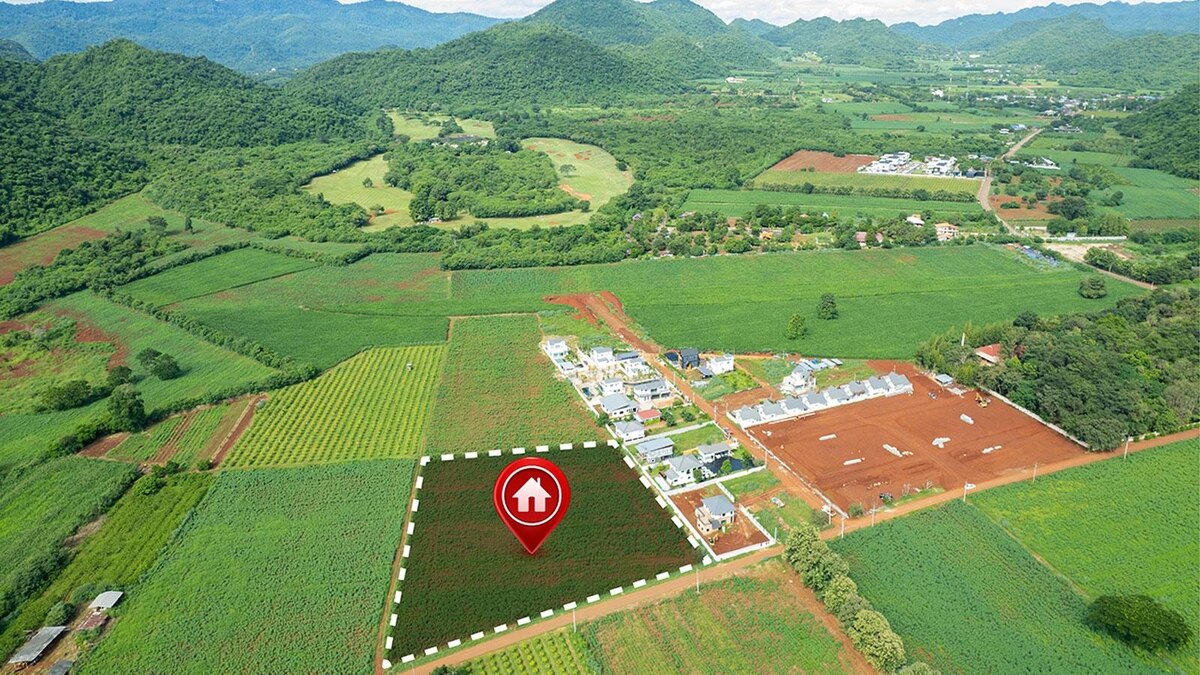
This is one of the reasons why even relatively small apartments remain in high demand across the country.
People generally feel more comfortable owning something tangible than simply watching numbers grow in a bank account.
A Different Approach from Many Foreigners
Interestingly, many foreigners do exactly the opposite.
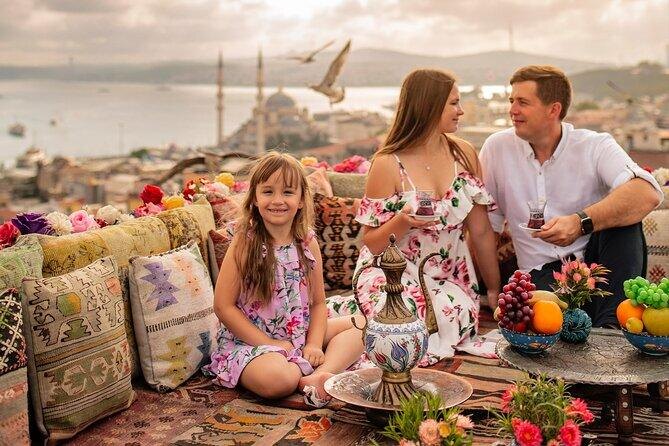
They first build up savings in bank accounts and only later begin thinking about purchasing property.
Perhaps the ideal approach lies somewhere between these two philosophies.
But after observing life in Turkey for many years, I’ve noticed one consistent pattern:
Here, wealth is measured less by the balance in your bank account and more by the assets you own—assets you can live in, rent out, or pass on to your children.
What do you think?
Is it better to save money—or to invest in assets that can grow and provide value over time?