When people choose a property, the debate usually sounds the same.
Some believe that only new developments are worth buying: modern engineering systems, contemporary layouts, swimming pools, fitness centers, and the reassurance of being the first owner.
Others argue, “Why wait for construction to finish and pay extra for glossy brochures when you can buy a ready-to-move-in apartment for less?”
In reality, the question isn’t which option is better. The real question is: what goal are you trying to achieve?

When the Resale Market Wins
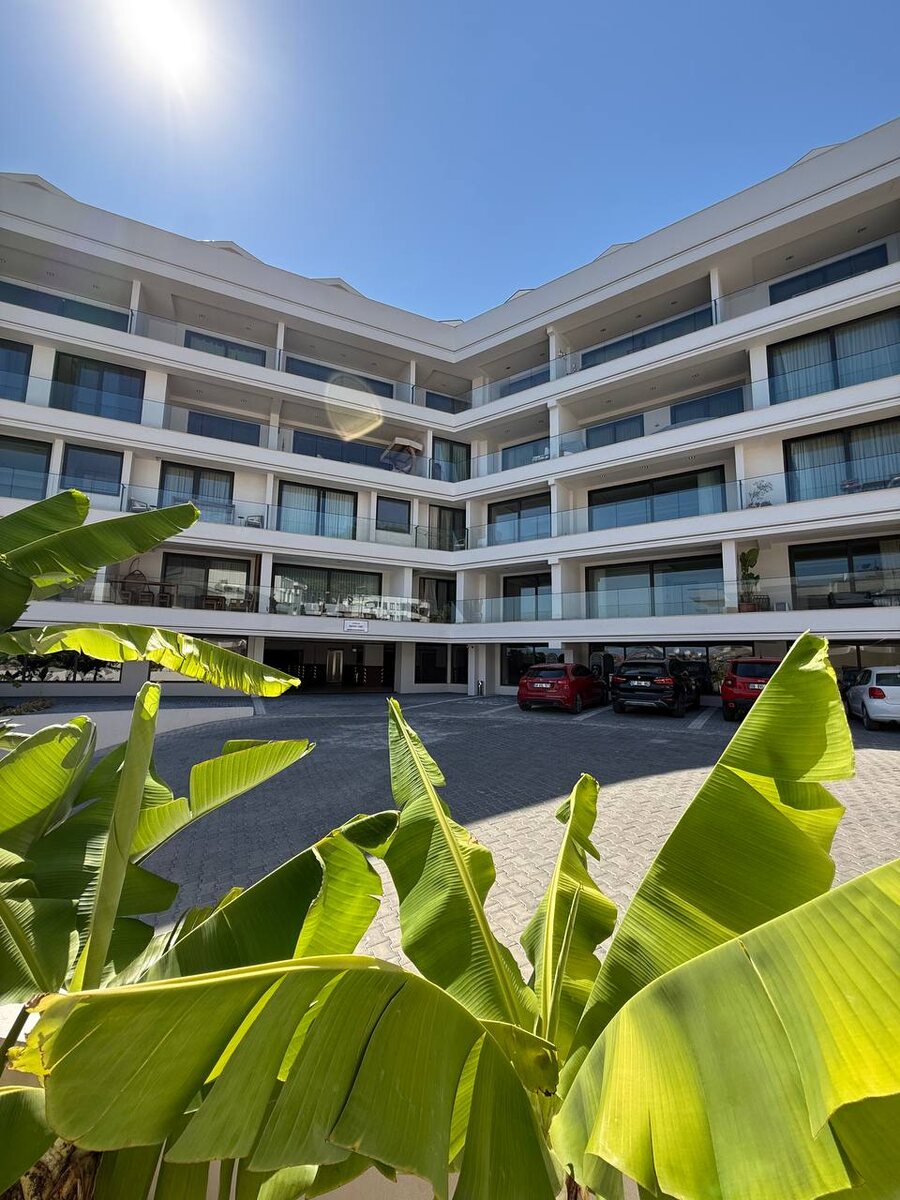
Resale properties are often located in well-established neighborhoods where everything needed for daily life is already in place: shops, schools, cafés, public transport, and parks.
Another advantage is transparency. You can immediately evaluate the view from the window, noise levels, neighbors, the condition of the building, and the actual distance to the beach or city center.
A resale apartment is also ready for occupancy. There’s no need to wait for construction to be completed or worry about delays.
Interestingly, if you purchase an apartment from an investor in a newly built or still-under-construction project, it is still legally considered a resale property—even if no one has ever lived there before.
However, resale properties have their drawbacks.
Many older buildings no longer meet modern expectations in terms of layout and design. Renovations, appliance upgrades, or infrastructure improvements may be required. In addition, complexes with swimming pools, fitness facilities, and extensive amenities are generally less common.

When New Developments Have the Advantage
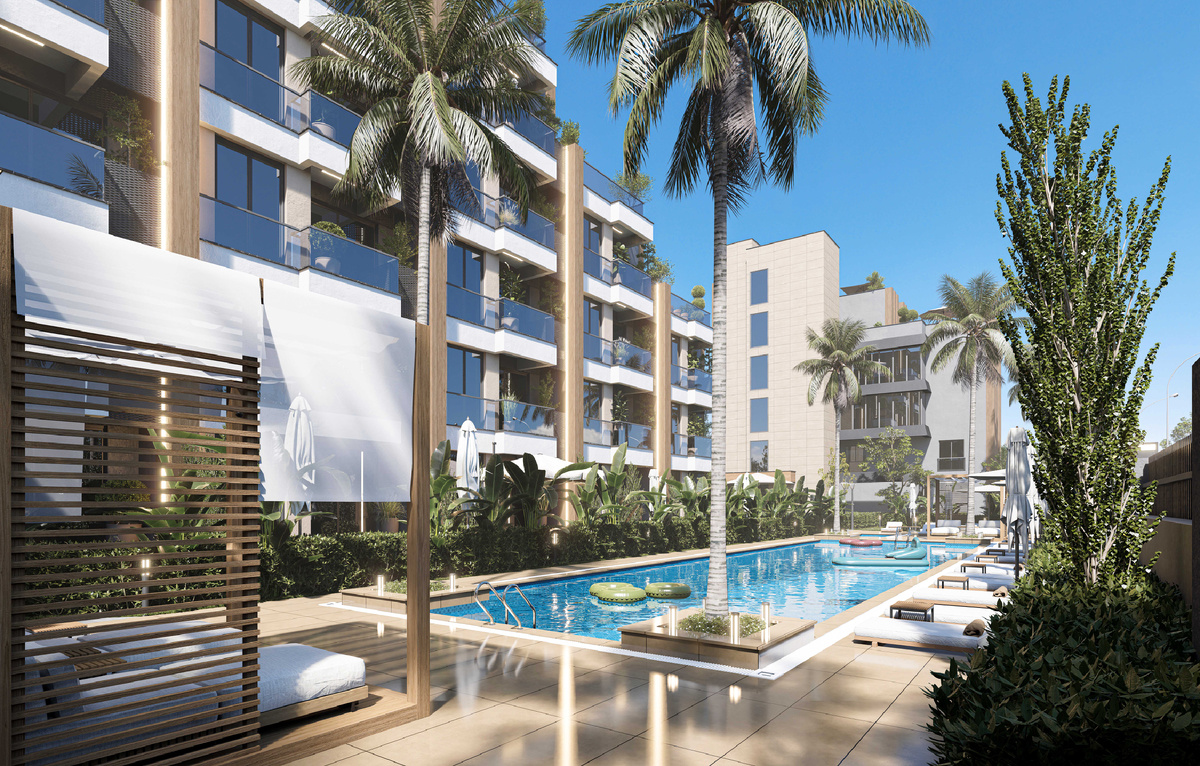
Modern residential projects are designed to meet today’s lifestyle expectations.
Underground parking, gated communities, security, swimming pools, fitness centers, children’s playgrounds, and energy-efficient technologies have become standard features in many high-quality developments.
If the project is still under construction, buyers can often benefit from installment payment plans and purchase at a lower price than after completion.
However, there are important considerations.
When buying off-plan, you are purchasing the developer’s promise to deliver the property in the future rather than a finished apartment. It is essential to carefully review the developer’s reputation, project documentation, and construction timeline.
From a legal perspective, developers are generally allowed to make certain “minor” changes to the approved project, and the extent of those permissible changes is determined by regulations rather than by the buyer.
Another factor is location. New residential complexes are often built in emerging districts that are still under development. What is an empty field today may become a vibrant urban neighborhood in just a few years.
Which Is Better for Investment?
The answer depends entirely on your strategy.
If your goal is to start generating rental income immediately, a high-quality resale property in a strong location is often the better choice.
If your objective is capital appreciation, purchasing a new development during the early stages of construction may offer greater upside potential.
There is, however, one principle that remains true in almost every market:
Location matters more than the age of the building.
A well-located property in a desirable area can remain highly liquid and attractive for decades, while a brand-new development in a weak location may simply remain a new development without delivering exceptional investment returns.